Back from the beach, harsh bathroom light. You lift a strand and the ends have turned pink, almost peach. Last July a customer sent us exactly that photo: her Slavic hair extensions had gone candy pink over the last four inches, and she was convinced her stylist had botched the colour. Her stylist had nothing to do with it. Her sunscreen did.
Why sunscreen turns hair pink
Two UV filters come up in almost every case: avobenzone (Butyl Methoxydibenzoylmethane) and octocrylene. Both sit in most chemical sunscreens, and also in body lotions, sun sprays and some heat protectants for hair. In sunlight these molecules break down and react with the pigments in coloured fibre. Depending on the starting shade, the oxidation shifts towards pink, peach or orange.
Natural Russian hair extensions take the hit harder than your own hair. A worn strand no longer receives sebum from the scalp, the natural film that protects living hair. The fibre is more porous and absorbs whatever lands on it: cream on your shoulders, spray on your neck, residue on your hands. That goes for keratin bond extensions just as much as for tape-in extensions.
One detail that surprises many customers: the product does not even need to touch your lengths directly. Sleeping on a pillowcase with sunscreen residue on it is enough.
The greenish tint comes from the pool, not the sun
Green has nothing to do with UV filters. The culprit is not chlorine alone, whatever you may have heard, but the metals dissolved in the water, copper first. Chlorine oxidises them and binds them to the fibre. The lighter and more porous the hair, the more visible the deposit: a polar blonde in natural Slavic hair can pick up a watery green cast after two afternoons in the pool.
The sea rarely causes colour trouble. Salt simply dries the fibre out, which leaves it more porous for whatever comes next.
Protecting your extensions before sun and swimming
A few habits are enough to get through summer without a nasty surprise:
- Pick a mineral sunscreen based on titanium dioxide or zinc oxide. It reflects UV like a physical barrier, without reacting with pigments.
- If you stick with your usual cream, tie your hair in a high bun and wash your hands before touching your lengths.
- Wet your extensions with clean water before the pool: fibre already full of water absorbs far less chlorinated water.
- Rinse with clean water after every swim, the sea included.
- Check the INCI list of your summer hair products: some heat protectants contain the same filters as sunscreens.
Caucasian hair with an intact cuticle keeps its colour for years when you spare it the combination of sun, chemical filters and copper.
Rescuing a strand that has already shifted
Act fast.
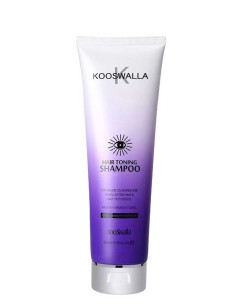
If the pink cast is fresh, rinse thoroughly with clean water, then wash with a mild shampoo. A properly dosed silver shampoo bath, soaking the wefts in a mix of water and shampoo, never neat, will neutralise the first reflections. Watch the timing to the minute: leave it too long and it deposits its own violet tone.
For a green cast, a rinse of lukewarm water with vitamin C powder lifts a good share of the copper deposits. A chelating shampoo does the same job with less mess.
If the tint has settled in too deep, the safest fix is recolouring one shade darker, done by a professional. On a virgin Slavic strand with an intact cuticle the colour takes evenly. That is exactly what separates it from heavily bleached fibre, which drinks colour in patches.
Not sure how far gone your strands are? Send us photos on WhatsApp: we will tell you straight whether a toning bath is enough or whether colour is the only way back.


Comments (0)